Best Chair Mechanism Factories for Australian Furniture Buyers: Sourcing Shortlist
Australia's furniture import market runs on a tight margin stack. You're competing against landed product from Southeast Asia, managing freight volatility, and trying to hold price points that your retail or commercial customers set two seasons ago. When a core component like a chair mechanism starts causing warranty returns or delivery delays, the cost isn't just the part — it's the downstream claim, the replacement freight, and the customer relationship.
This shortlist is built for buyers who are actively screening suppliers: local distributors, direct importers, and furniture manufacturers who need to know what the Australian chair mechanism supply landscape actually looks like — and where the trade-offs sit between local convenience and factory-direct sourcing.
A note on methodology: the companies below represent the real supplier landscape as it operates across local distribution, import trading, and direct manufacturing. Where specific capability data isn't publicly confirmed, descriptions stay at the supplier-model level. The goal is an honest sourcing framework, not a theatrical ranking.
What Serious Buyers Check Before Shortlisting a Mechanism Supplier
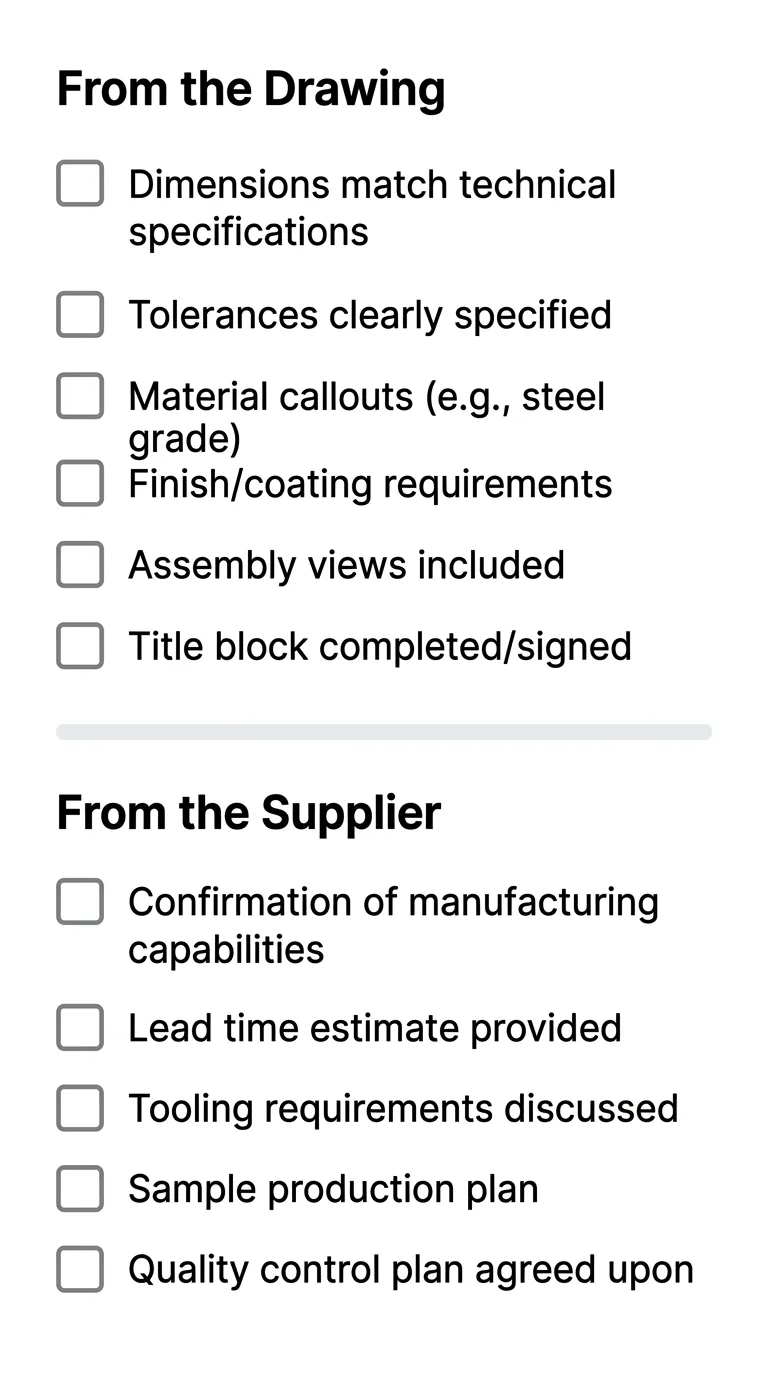
Before the supplier list, the criteria. A chair mechanism is a load-bearing, cycle-rated component — the evaluation standard is different from sourcing a static hardware fitting.
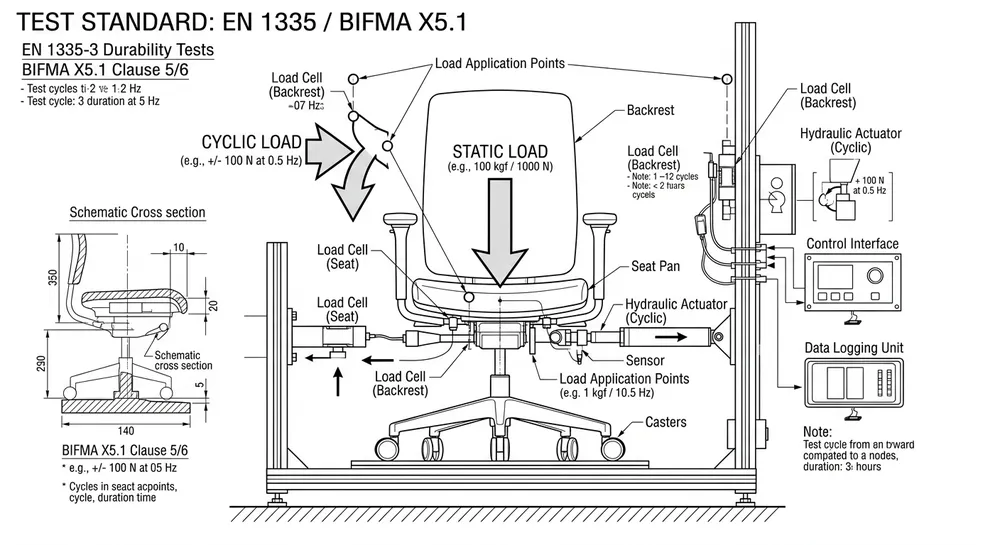
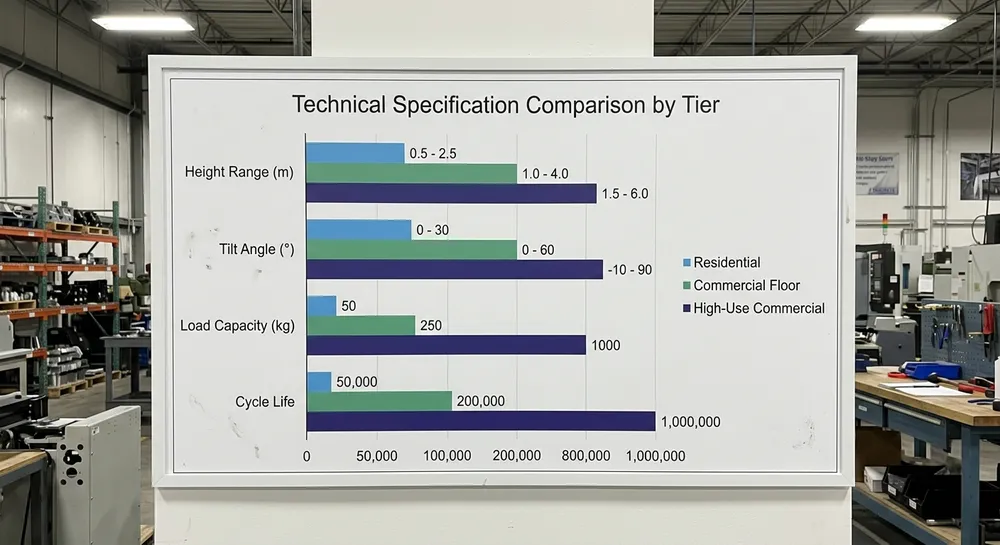
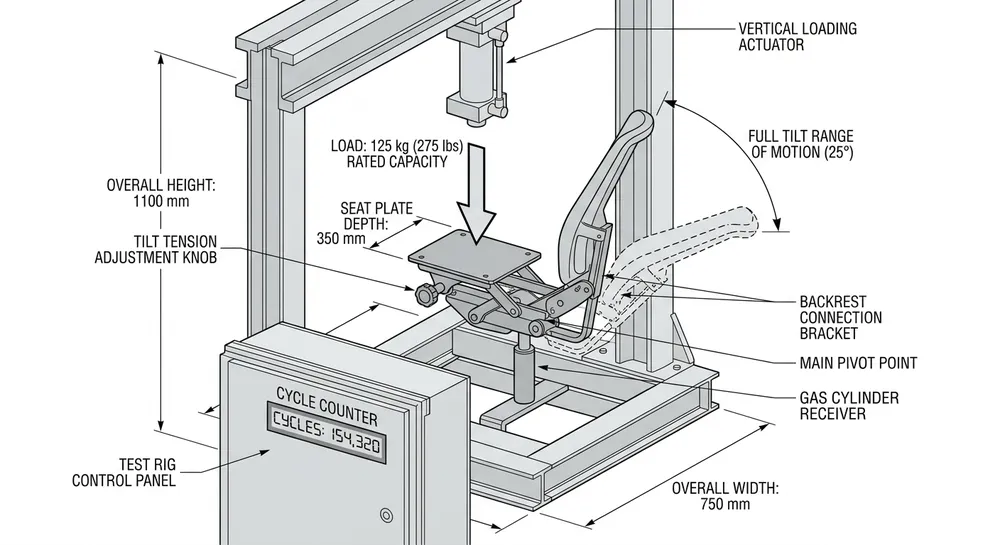
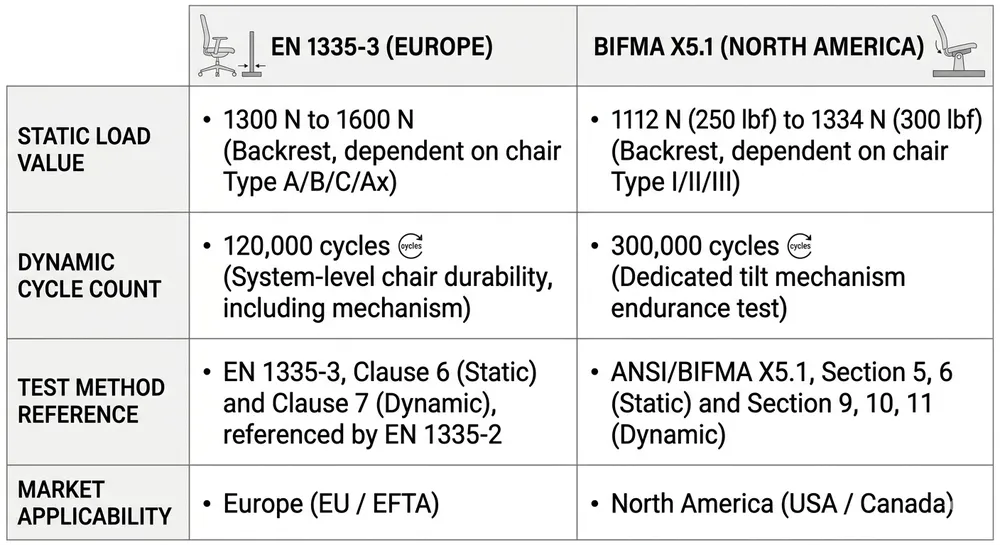
Cycle life rating and test documentation. Commercial office chair mechanisms should be rated to a minimum of 50,000 tilt cycles under load. Ask for the test report, not just the claim. SGS or TÜV third-party test documentation is the standard you want to see.
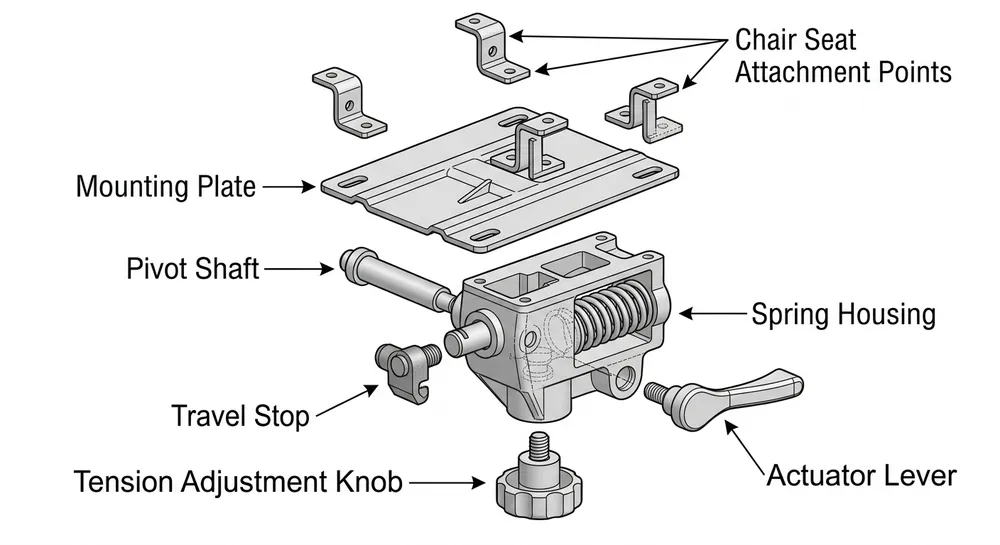
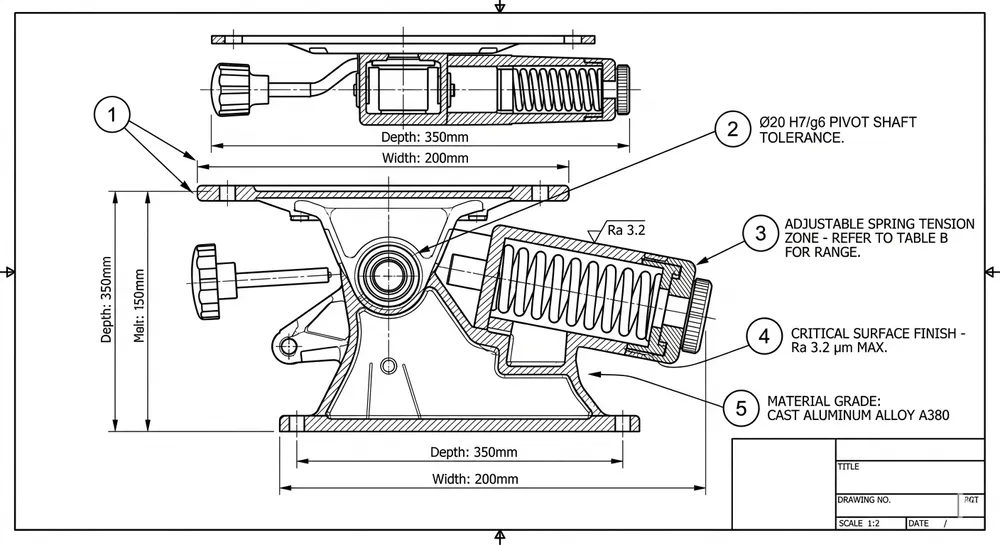
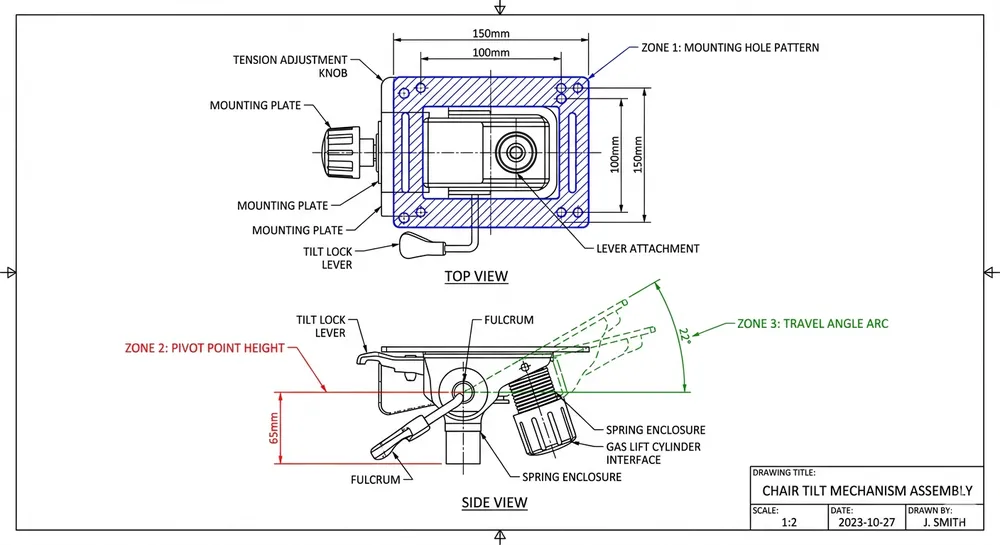
Dimensional tolerance on stamped components. Mechanism plates and brackets formed to loose tolerances cause misalignment at assembly and accelerate wear at pivot points. ±0.15mm on stamped structural parts is the spec range that holds up in production.
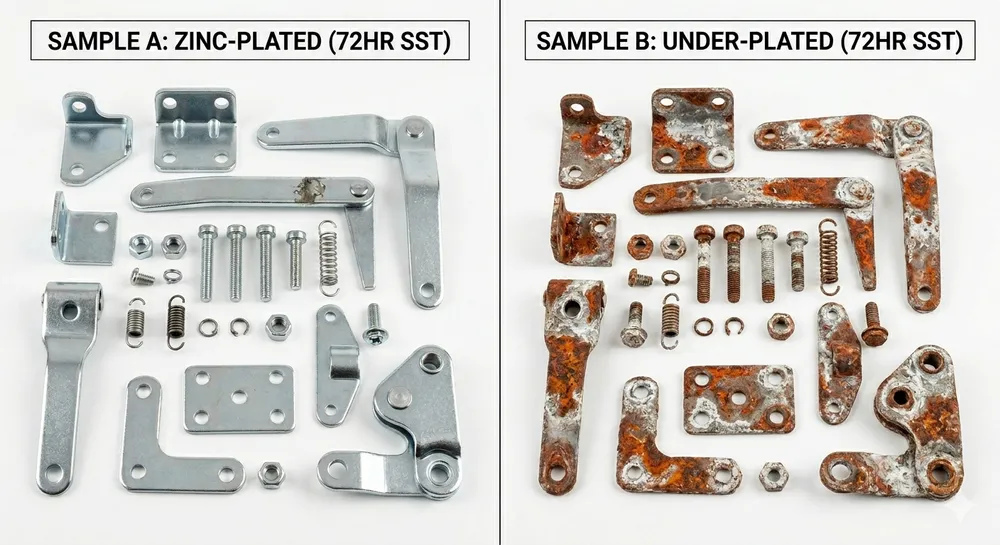
Surface treatment specification. Powder coat film thickness below 50μm fails salt spray testing in coastal environments — relevant for any Australian buyer supplying into Queensland, WA coastal, or New Zealand markets. Ask for the μm spec and the salt spray hours, not just "powder coated."
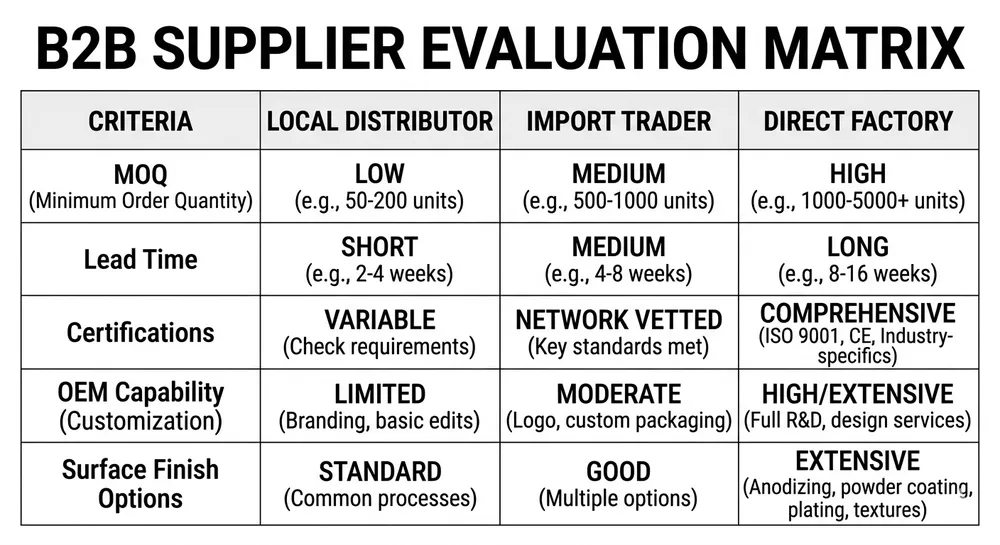
MOQ and scheduling flexibility. A supplier with a 5,000-unit MOQ floor is not a realistic option if your typical order is 500–1,000 units. Confirm the actual MOQ for standard catalog items versus OEM runs.
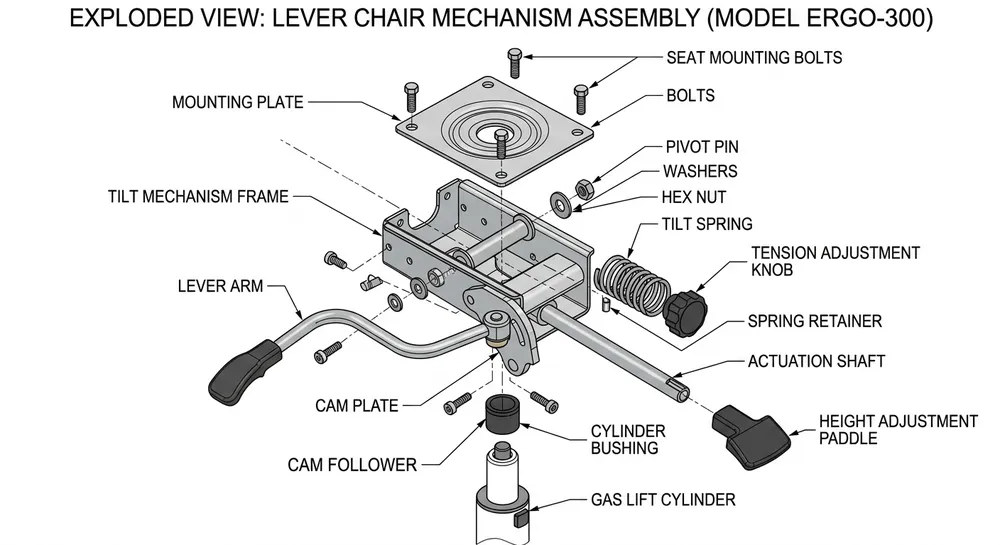
OEM/ODM capability. If your product line requires a branded mechanism or a custom geometry, you need a supplier with in-house tooling. A distributor who resells catalog product cannot support this.
Certifications for your downstream market. CE for European-spec product, RoHS for buyers supplying into EU or California retail channels, ISO 9001:2015 for buyers whose commercial clients require supplier qualification documentation.
The Australian Chair Mechanism Supply Landscape: 10 Suppliers Worth Knowing
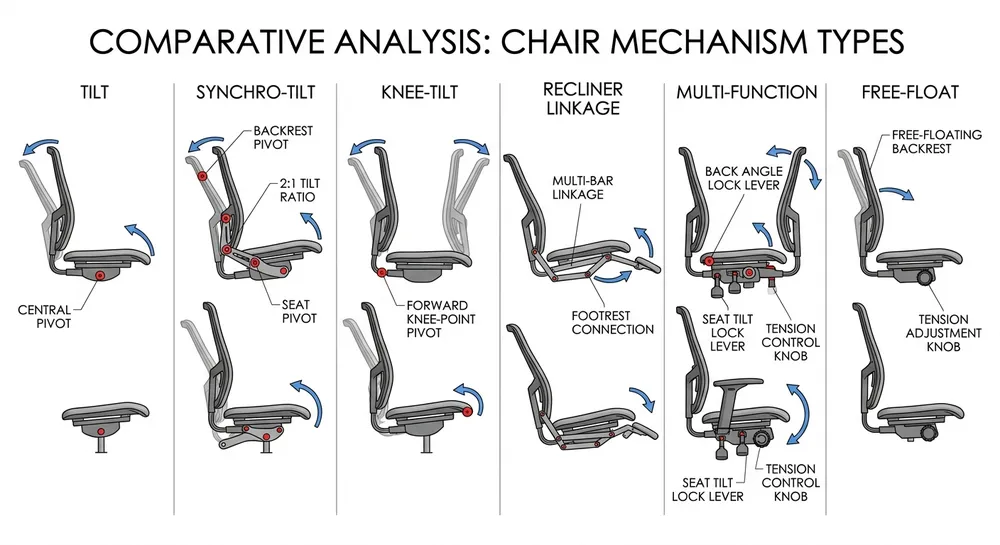
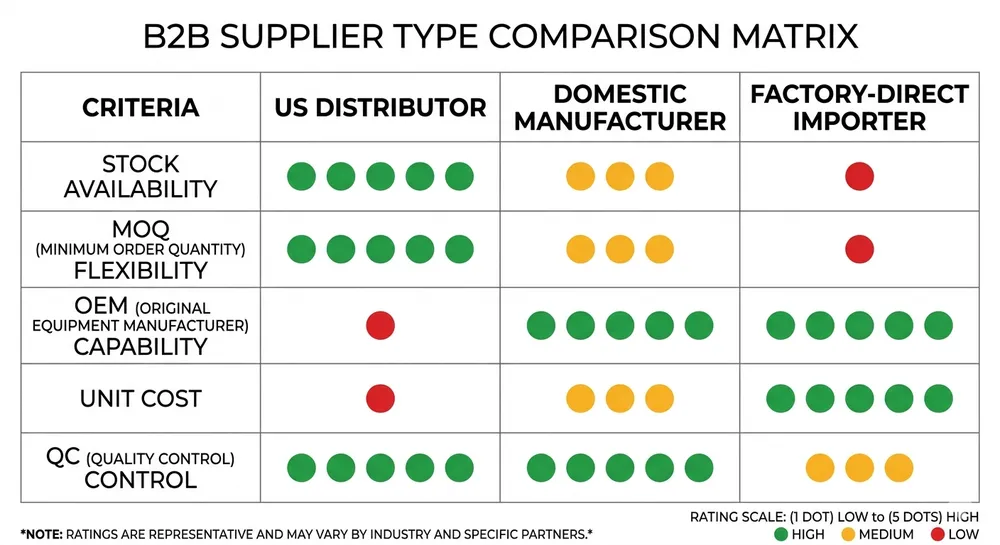
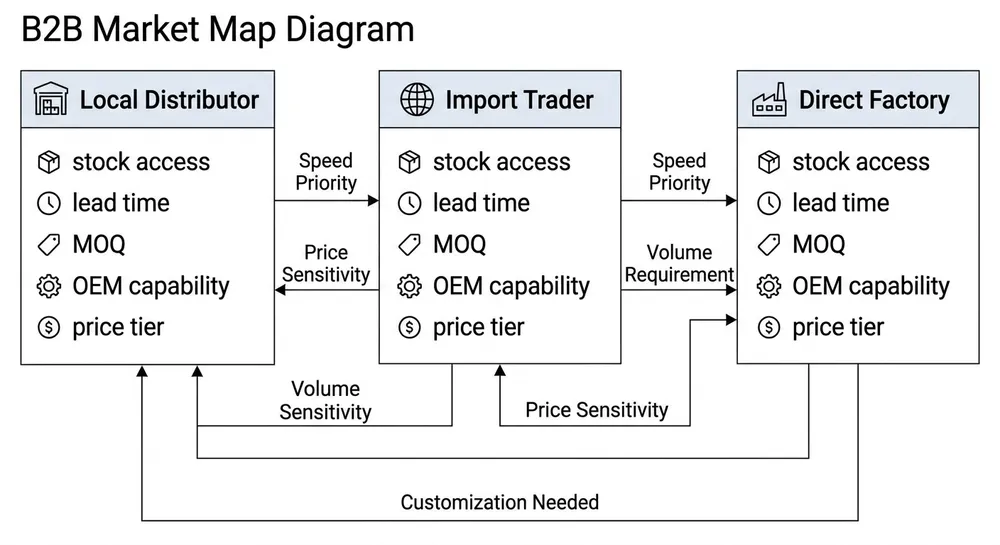
The local and regional supply landscape for chair mechanisms in Australia operates across three distinct models: local distributors holding import stock, import traders sourcing from Asian manufacturers, and direct-factory relationships. Each model has a different cost structure, lead time profile, and capability ceiling.
1. Hettich Australia
hettich.com/en-au | Local distributor — furniture hardware and mechanisms
Hettich operates a local distribution presence in Australia with a broad furniture hardware range. Their strength is stock availability and established trade relationships with furniture manufacturers and fit-out contractors. Chair mechanism range is part of a wider hardware catalog rather than a specialist focus. Lead times on stocked items are short; custom or non-catalog items route back through their European supply chain.
2. Häfele Australia
hafele.com/au | Local distributor — furniture fittings and hardware
Häfele Australia carries a comprehensive furniture hardware range through their local distribution network, including seating and office chair components. Strong on catalog depth and technical support. Similar to Hettich, the mechanism range sits within a broad hardware portfolio — useful for buyers who want consolidated hardware sourcing from a single local account, less suited to buyers who need mechanism-specific OEM capability or high-volume direct pricing.
3. Blum Australia
blum.com/au | Local distributor — motion hardware specialist
Blum's Australian operation focuses on motion hardware — hinges, drawer systems, and lift systems — with a reputation for precision engineering and consistent quality. Their chair mechanism range is narrower than their core product focus, but their quality standards and local technical support are well-regarded in the trade. Useful for buyers whose product line already runs Blum hardware and want consolidated supplier relationships.
4. Sugatsune Australia
sugatsune.com | Import distributor — precision motion hardware
Sugatsune supplies precision motion hardware to the Australian furniture and architectural market. Japanese-engineered components with tight tolerances and strong finish quality. Chair mechanism range is available through their distributor network. Premium price positioning — suited to buyers in the commercial or hospitality segment where specification quality justifies the margin.
5. Hardware & General (H&G)
hardwareandgeneral.com.au | Local distributor — industrial and furniture hardware
Hardware & General operates as a broad industrial and furniture hardware distributor across Australia. Stock range includes chair components and mechanism hardware. Useful for buyers who need local account terms, fast replenishment on standard items, and consolidated invoicing across a mixed hardware BOM.
6. Deta Furniture Hardware
detafurniture.com.au | Local importer/distributor — furniture hardware
Deta operates as a furniture hardware importer and distributor in the Australian market, sourcing from Asian manufacturers and holding local stock. Chair mechanism range covers standard tilt and synchronised mechanisms. Competitive on price relative to European-brand distributors. Lead times depend on stock levels; non-stocked items require import lead time.
7. Krost Business Furniture
krost.com.au | Furniture manufacturer/importer — seating components
Krost operates in the commercial furniture space and sources seating components including chair mechanisms for their own manufacturing and supply operations. Not a public-facing mechanism distributor, but relevant as a reference point for how Australian commercial furniture manufacturers approach mechanism sourcing — typically through a mix of local stock and direct import relationships.
8. Dauphin HumanDesign Group (Australian operations)
dauphin.com | Commercial seating — mechanism-integrated product
Dauphin supplies commercial seating into the Australian market with mechanism engineering integrated into their product design. Relevant for buyers in the commercial fit-out segment who are evaluating mechanism-integrated seating supply versus component-level sourcing. Their mechanism specifications represent the quality benchmark for the commercial office segment.
9. Zenith Interiors
zenithinteriors.com.au | Commercial furniture — seating and components
Zenith operates in the Australian commercial furniture market with a seating range that includes mechanism-driven product. Like Krost, they represent the buyer-side of the mechanism supply chain — useful for understanding what specification standards the commercial segment is actually purchasing to, and what the competitive landed cost pressure looks like from the buyer's perspective.
10. MVMHardware (Foshan Jinruida Import And Export Co., Ltd.)
mvmhardware.com | Direct factory — chair mechanism manufacturer, Guangdong, China
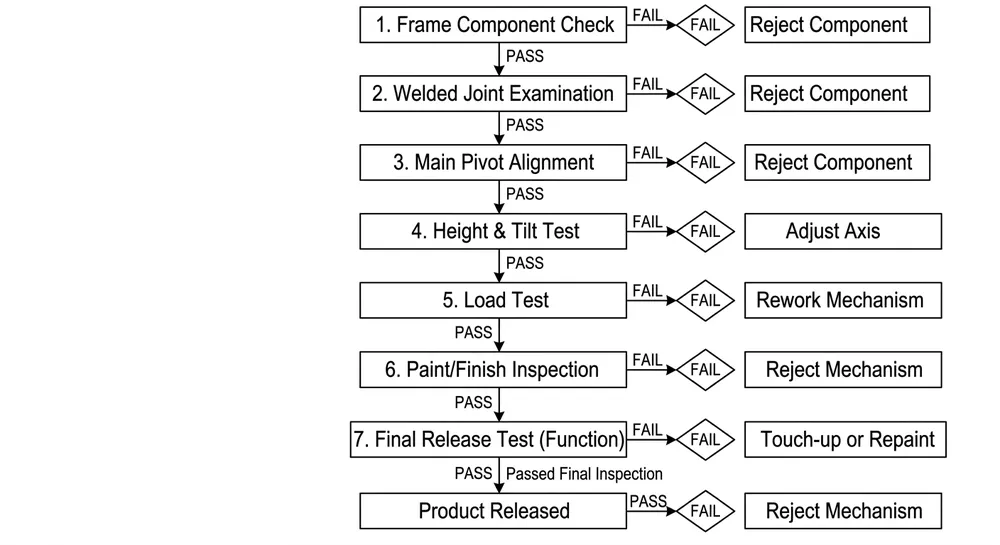
MVMHardware manufactures chair mechanisms factory-direct from a 12,000 m² facility in Guangdong. Six dedicated production lines, 3,000,000 units annual capacity, ISO 9001:2015, CE, SGS, and RoHS certified. Standard MOQ is 500 units for catalog mechanisms; OEM/ODM tooling projects are supported by a 12-person in-house engineering team. 100% functional testing on every unit before shipment. Direct export to Australia with standard production lead time of 25–35 days from order confirmation.
Where Local Distribution Adds Real Value
Local distributors earn their margin in specific scenarios, and it's worth being clear about when that margin is justified.
Emergency replenishment. If a production run stalls because a mechanism batch failed QC and you need 200 units in three days, a local distributor with stock is the only realistic option. No factory lead time solves that problem.
Small mixed orders. If your BOM requires 50 units of three different mechanism types, consolidating through a local distributor on a single account is operationally simpler than managing three separate import orders.
Compliance timing. If a project has a hard installation deadline and the import window has closed, local stock is the only path. The premium is the cost of the timeline, not a reflection of the product's intrinsic value.
Relationship-based credit terms. Established local accounts often carry net-30 or net-60 terms that reduce working capital pressure on smaller operators. That has real cash flow value, particularly for businesses that are growing their order volume.
These are legitimate reasons to pay a local premium. The question is whether those scenarios describe your regular procurement pattern — or your exception cases.
The Cost of Convenience at Volume
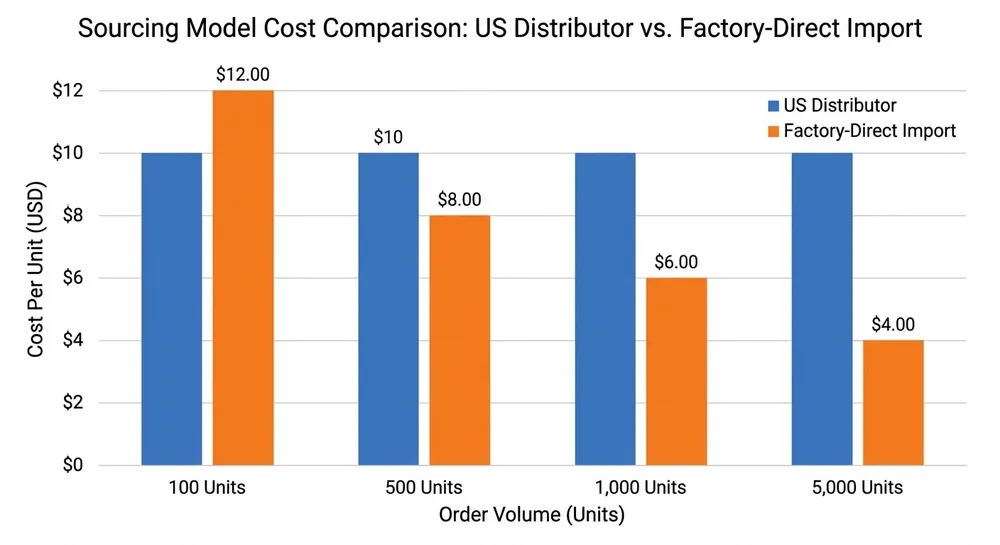
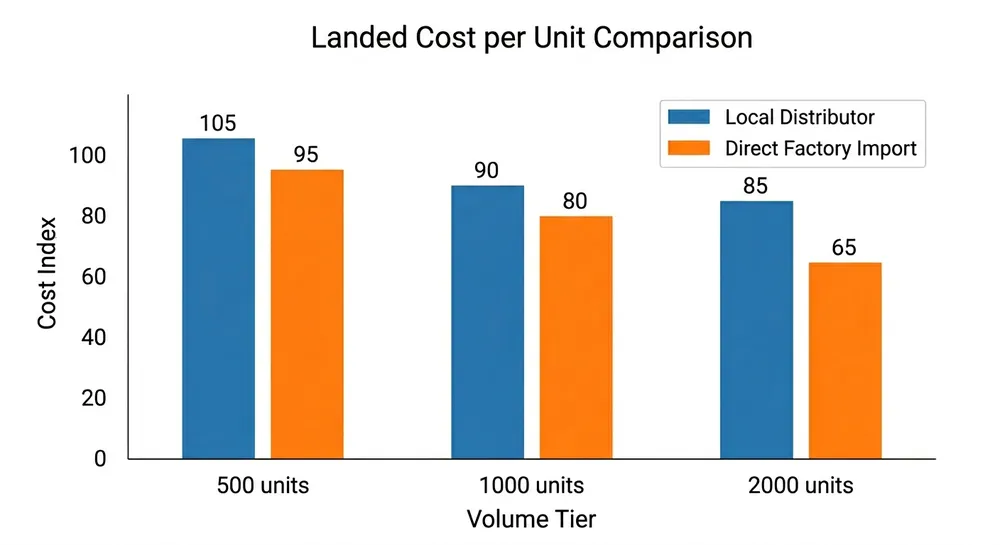
Local distribution pricing for chair mechanisms in Australia typically reflects a landed-cost-plus-margin structure: the distributor has paid import freight, duties, warehousing, and local overhead before your invoice is generated. For standard catalog mechanisms, that stack commonly adds 40–70% above factory-gate pricing, depending on the product tier and the distributor's volume with their supplier.
At low order volumes — say, under 500 units per SKU per year — that premium is often worth paying for the operational simplicity. At repeat volumes of 1,000 units and above per SKU, the economics shift. The freight and duty cost of a direct import order becomes a fixed cost that amortises across the volume, and the per-unit saving compounds across your annual procurement.
(We've had Australian buyers come to us after years of sourcing through local distributors, run the landed cost comparison on their actual annual volume, and find they were leaving 20–30% margin on the table. The calculation isn't complicated — it just requires knowing your annual volume per SKU and your current per-unit cost.)
The other dimension is specification control. A local distributor sells what their supplier makes. If your product line needs a specific tilt resistance range, a custom mounting pattern, or a surface finish that matches your frame colour, the distributor's answer is usually "we don't have that" or "minimum order for a special is 2,000 units through our supplier." A direct factory relationship gives you access to the engineering conversation before the tooling is cut.
Factory-Direct Import: When the Economics Work
Direct factory sourcing from China into Australia is not a new model — most of the furniture hardware that local distributors sell was manufactured in Guangdong or Zhejiang and imported. The question is whether you're buying it through a distribution layer or directly.
The landed cost calculation for a direct import order into Australia involves: factory price, export packaging, sea freight (typically 18–25 days from Guangdong to east coast Australian ports), import duty (currently 5% on most furniture hardware under relevant HTS classifications), and customs clearance. For buyers who already import other product categories, the incremental cost of adding a mechanism SKU to an existing container is often minimal.
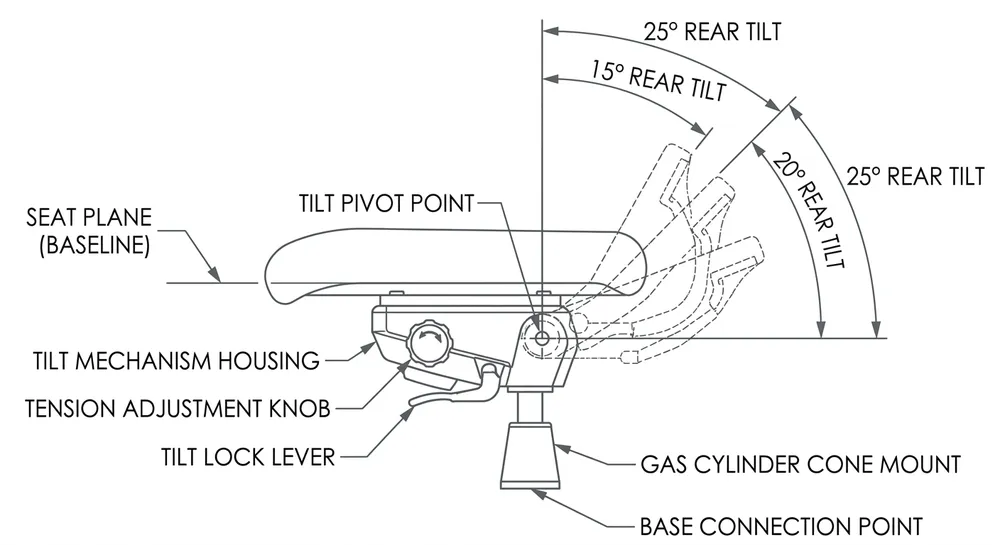
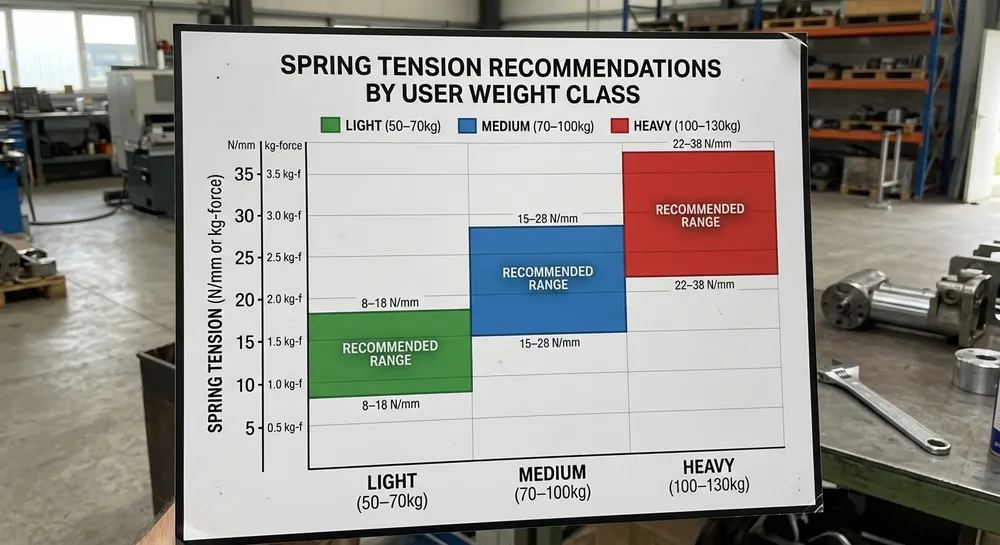
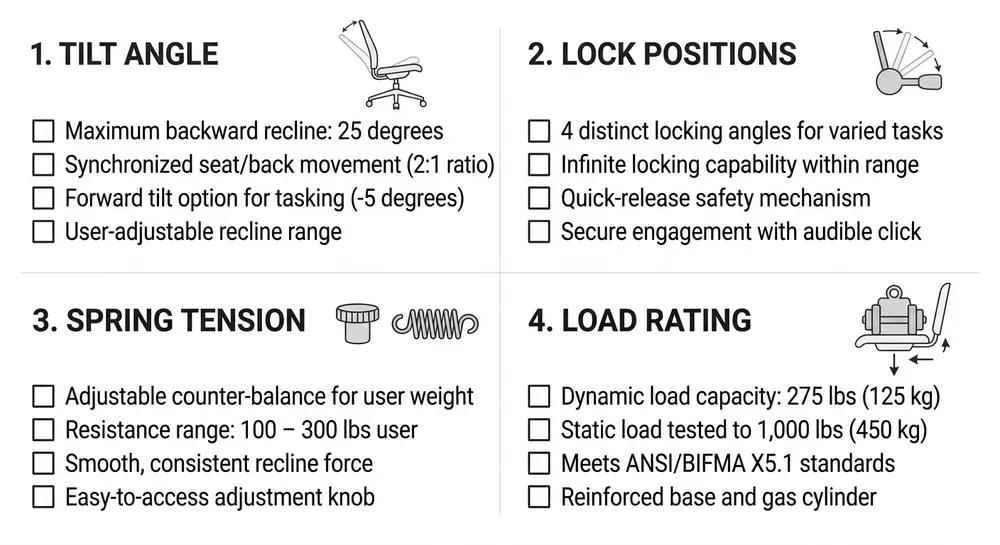
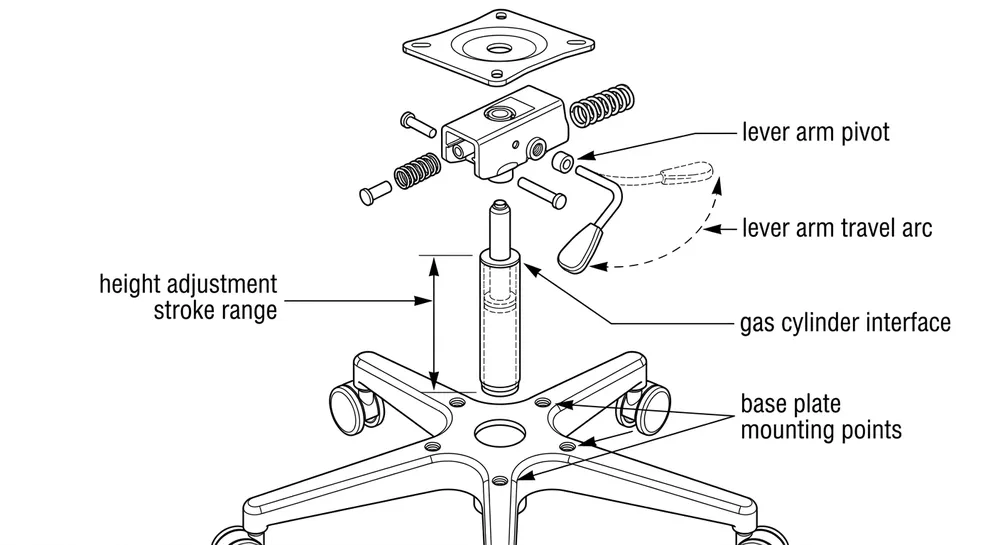
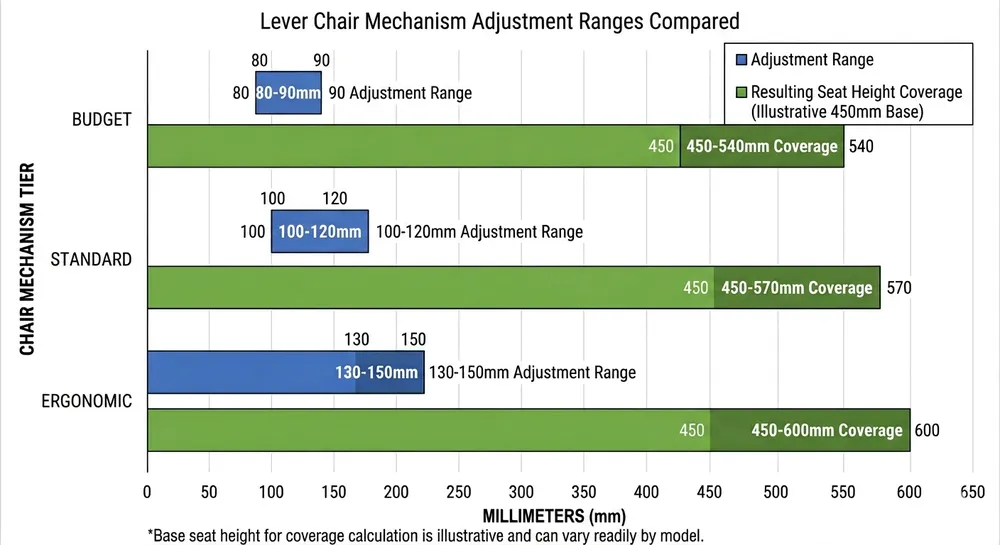
What changes at the factory-direct level is the relationship. You're talking to the engineering team, not a sales rep reading from a catalog. When a mechanism spec needs to change — tilt range, spring rate, mounting geometry — the conversation happens in days, not weeks routed through a distributor's supplier liaison.
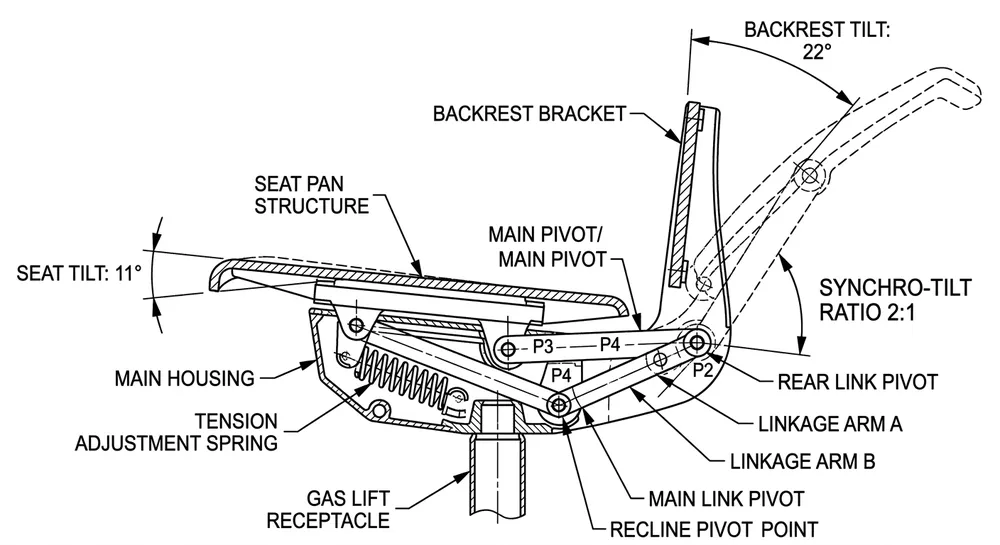
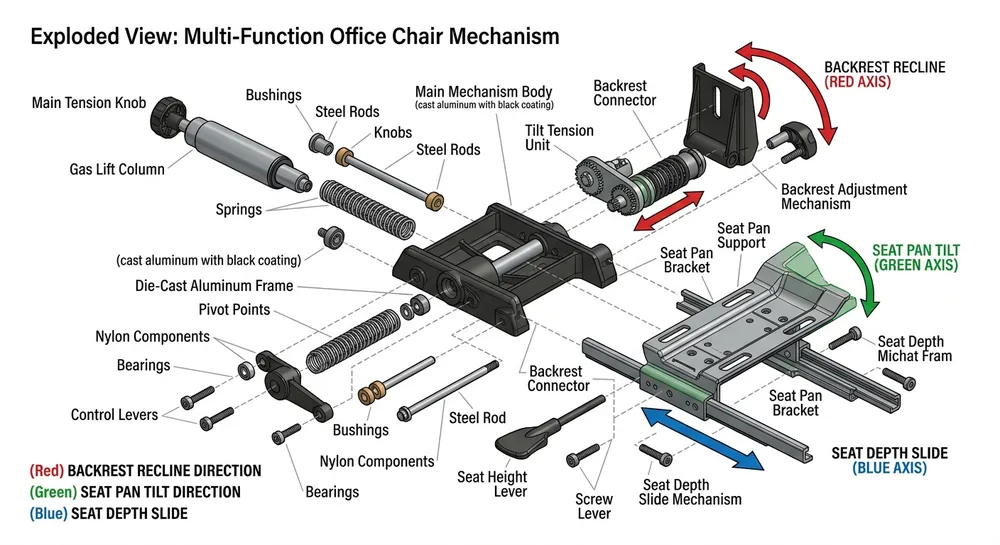
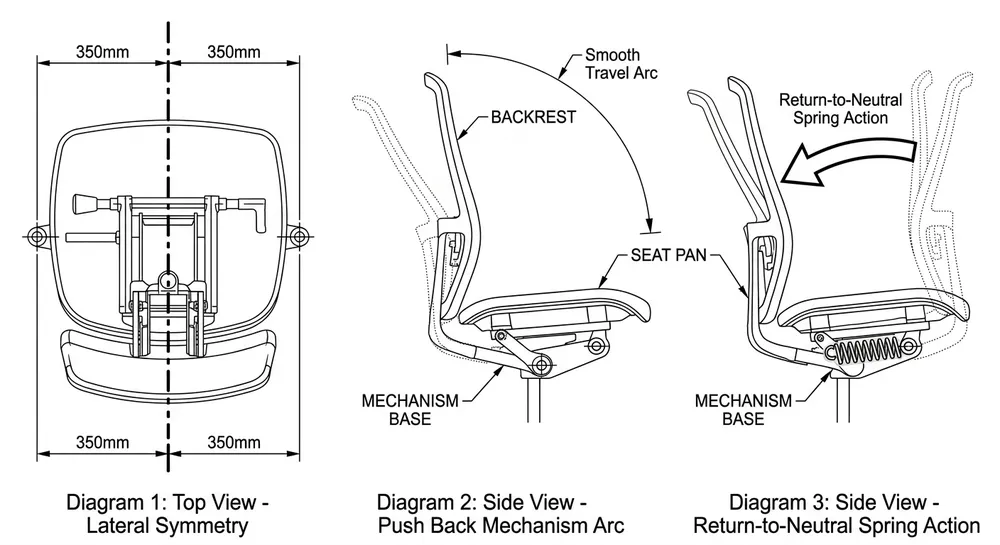
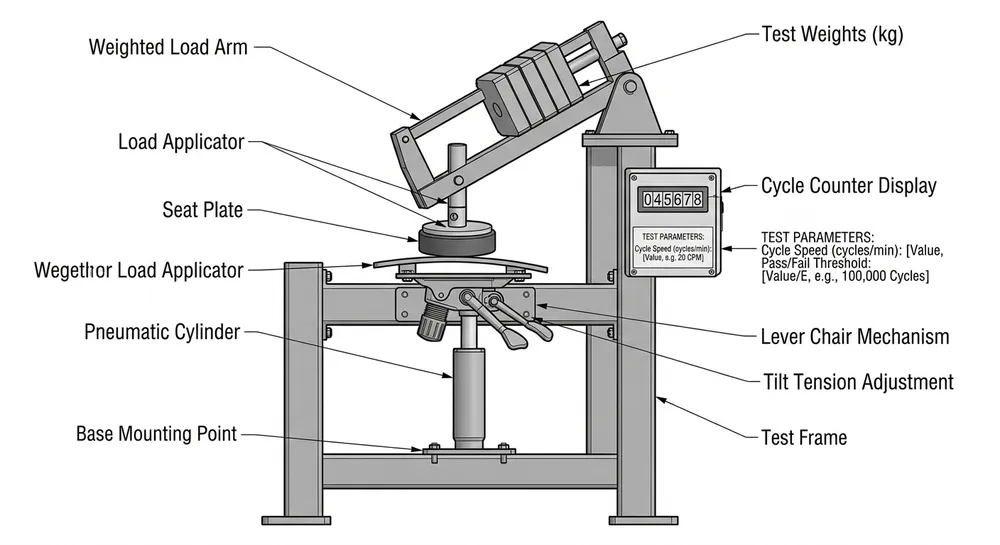
For Chair Mechanism sourcing specifically, the criteria that matter most at the factory level are: in-house die-casting (controls the most common failure point in mechanism hardware), 100% functional testing before shipment (not sampling), and cycle-life documentation that matches your downstream market's commercial certification requirements.
MVMHardware's Australian export operation runs on 25–35 day production lead times for catalog items, with full CE, SGS, and RoHS documentation shipping with the order. Standard MOQ of 500 units covers most repeat procurement patterns without requiring a full container commitment on a single SKU.
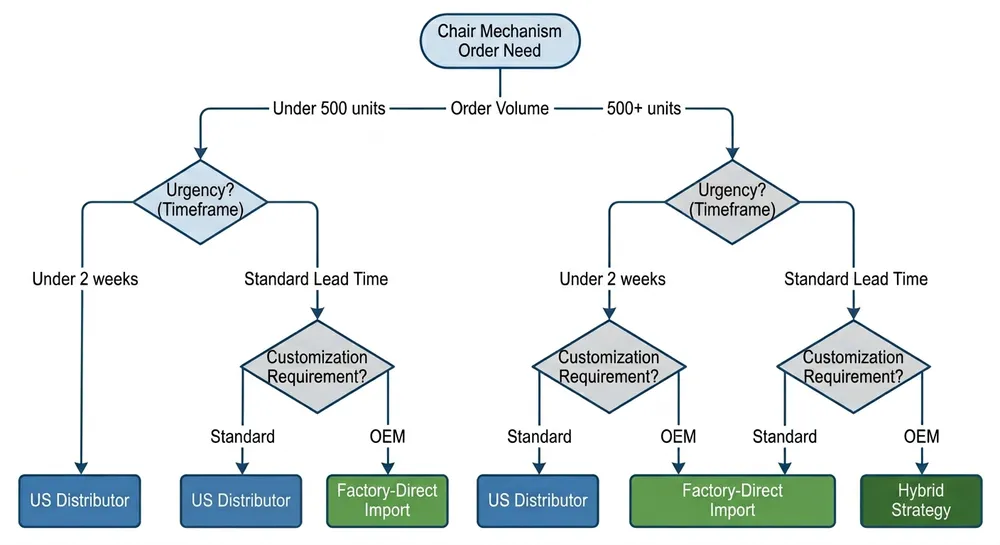
Sourcing Decision Guide: Which Route Fits Your Situation
Not every buyer should be importing direct. The right sourcing route depends on your order profile, your operational capacity, and your product strategy.
Source local when:
- Your order is under 300 units and urgency matters
- You need mixed SKUs on a single invoice and don't have import infrastructure
- You're in a project with a hard deadline inside the import window
- You're trialling a new mechanism type before committing to volume
Source factory-direct when:
- Your annual volume per SKU exceeds 1,000 units
- You need OEM customisation — geometry, branding, surface finish, or packaging
- Your current supplier's quality consistency is causing downstream warranty claims
- You're building a product line and need engineering input at the specification stage, not after tooling is cut
- Your margin on the finished product is under pressure and landed cost reduction is the lever
The hybrid approach that works well for established importers: maintain a local distributor account for emergency replenishment and small mixed orders, and run your volume SKUs direct from factory. The local account costs you more per unit but covers the exception cases. The factory account protects your margin on the volume that actually drives your business.
If your current mechanism sourcing sits in the middle — you're buying 800–1,500 units per year through a local distributor and you haven't run the landed cost comparison — that's the calculation worth doing before your next reorder. The freight and duty math on a direct import order at that volume usually surprises buyers who haven't done it recently.
For buyers ready to run that comparison or discuss OEM requirements, the Chair Mechanism category page covers the full product range. To move directly to a quote, the Request Quote page takes your spec and volume — we'll come back with a landed cost breakdown that includes freight and duty estimates for your port, not just an ex-works price that leaves the import math to you.
“`